Buying and Investing
What should I check before buying a South Bay home to rent out?
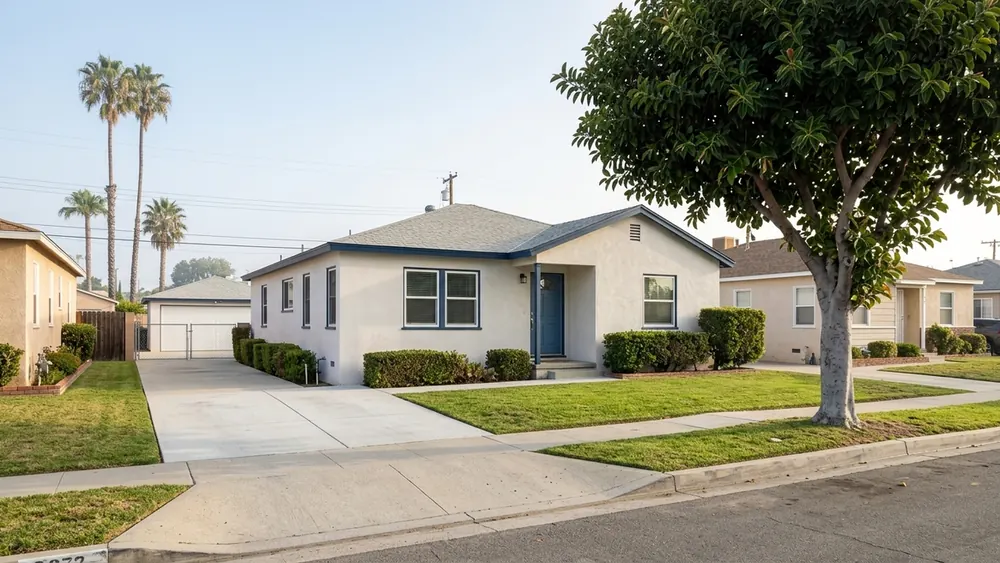
Before buying a South Bay home to rent out, check its condition, the state and city rental rules that would apply, any association limits on leasing, financing and insurance for a rental, and who will manage it. Confirm each with the right source.
On this page
- The short answer on buying a rental home
- Start with the home’s condition
- Rental rules at the state and city level
- Association rules and leasing limits
- Financing and insurance for a rental property
- Who answers each rental property question
- Deciding how the rental will be managed
- Your next step before making an offer
The short answer on buying a rental home
Before you buy a South Bay home to rent out, check five things: the home’s condition, the state and city rental rules that would apply to it, any association rules on leasing, how financing and insurance work for a rental, and who will run the rental day to day. Each one has a clear source for the final answer, whether that is a licensed home inspector, official California sources, the city, a lender, an insurance agent or an attorney.
This matters because a rental is a property and a set of obligations at the same time. A home that works well for you to live in may need changes before it can be leased, and some rules attach to the property the moment a tenant moves in. Finding that out after closing is far more expensive and stressful than finding it out while you are still deciding whether to make an offer.
None of this is meant to talk you out of buying a rental. It is meant to make sure you know what you are taking on. No income, rent level or return is promised here, because those depend on the property, the rules and decisions only you can make. What you can control is how carefully you check before you commit.
Start with the home’s condition
Condition comes first because it affects nearly everything else: what repairs are needed before leasing, what the home will cost to maintain and whether it meets current habitability requirements. A licensed home inspector is the right person to tell you about condition. Ask for an inspection that reflects your plan to rent the home, and read the report with that plan in mind rather than only as a future resident.
Pay attention to systems a tenant relies on every day, such as plumbing, heating, electrical and anything tied to habitability. California has a recent habitability requirement, and its official wording and effective date are the place to start. An attorney can tell you how it applies to the specific home, so you know which items must be addressed before anyone moves in.
Tell me what you want the property to do for you. Then let’s check the condition, the rules and the costs before you decide it is the right rental.
Rental rules at the state and city level
Rental rules come from more than one place. State law sets requirements for areas such as habitability, notices and tenant protections, and each South Bay city may have its own rules on top of those. Rather than assuming what any rule says, write each one down as a question and take it to official state sources, the city’s official sources or an attorney before you make an offer.
Ask the city where the property sits whether it has its own rental requirements, registration steps or limits on certain kinds of leasing. The City of Redondo Beach, for example, is the source for a property within its limits, and the same goes for Torrance, Hermosa Beach and Manhattan Beach for properties within theirs. Answers can differ, so ask about the exact address rather than the area in general.
Also ask whether any rules limit how rents can change or how a tenancy can end. Those are areas where a summary from memory is easy to get wrong, and they shape how the rental will work for years. An attorney or official state sources, along with the city, can give you the current answer for the property you are considering.
Association rules and leasing limits
If the home is part of a homeowners association, its governing documents may say a great deal about leasing. Some associations limit whether or how units can be rented, set minimum lease terms or require owners to register tenants. Ask for the documents early and read the leasing sections before you rely on any assumption, because these rules can decide whether the property works as a rental at all.
Association dues, special assessments and shared maintenance responsibilities matter too, since they affect the cost of owning the home whether it is rented or not. Ask the association or the title or escrow company where to find current figures and any planned changes, and confirm them in writing for the specific property rather than relying on what a past owner remembers.
Financing and insurance for a rental property
Lenders often look at a home you plan to rent differently from a home you plan to live in. Loan types, down payment expectations and documentation can all change, so talk with a lender early and be clear about how you intend to use the property. Insurance changes as well, because coverage for a rented home is not the same as coverage for an owner living there. Work through these questions before you write an offer.
- Which loan types a lender offers for a home you plan to rent out
- What the lender needs from you to document a rental purchase
- What insurance coverage a rented home needs, confirmed with an insurance agent
- How owning a rental affects your taxes, confirmed with a tax professional
Get each answer in writing for the specific property. Costs and terms change, and a general estimate will not tell you what this home will actually cost to finance and insure. Having those figures early lets you decide with real numbers in front of you rather than hopeful ones, and it shows early whether the purchase still fits your plans once every cost is counted.
Who answers each rental property question
A rental purchase brings together several professionals, and each one answers a different part of the decision. Sorting the questions ahead of time keeps one person’s general opinion from standing in for an official answer, and it gives you a clear list to work through before the offer stage. It also makes it easier to notice when a question has not been answered by anyone yet.
| Question | Why it matters | Who to ask |
|---|---|---|
| What condition is the home in | Repairs may be needed before leasing | A licensed home inspector |
| Which rental rules apply here | Rules attach to the property and tenancy | Official California sources, the city or an attorney |
| Can units in this association be rented | Leasing limits can rule out a rental | The association’s governing documents |
| How will I finance and insure it | Terms and coverage differ for rentals | A lender and an insurance agent |
| How do taxes work for a rental | Treatment depends on your own situation | A tax professional |
Keep notes on who answered each question and when. Rules and costs can change between your first conversation and closing, so an early answer may need checking again before you sign. Your agent can help you keep the list moving, while each professional gives the final word on their part. A simple shared list with names, dates and sources is usually all it takes.
Deciding how the rental will be managed
Decide before you buy who will handle leasing, rent collection, repairs and records. Some owners do it themselves, and others work with a property manager under a written agreement. Ask what an agreement includes, how costs work and how repairs and emergencies are handled. If you live outside the South Bay, or plan to move, this question becomes even more important to settle early.
Tenant screening deserves its own attention. Apply the same written criteria to every applicant, and confirm with official California sources or an attorney what those criteria may and may not include. A written move in condition record, with photos, helps both you and your tenant when the lease ends. These steps are easier to set up before the first tenant than after.
Your next step before making an offer
Before your first conversation, write down why you want a rental, how long you expect to own it and how hands on you want to be. Gather your lender conversations so far, any properties you are watching and the questions that worry you most. Even rough answers make it easier to see which homes fit your plans and which raise too many questions.
If you are thinking about buying a home to rent out anywhere in the South Bay, bring the question to Gina. The conversation can cover the search and offer side, the leasing questions, and which professional answers each of the rest. There is no pressure to decide anything at the start. Which part of buying a rental would you like to check first?
This article is general information about leasing, selling and buying homes in Redondo Beach and the South Bay, California. It is not legal, tax, lending, valuation or inspection advice and does not predict prices or rents or promise results. Confirm rental and disclosure rules with official California sources or an attorney, auction terms in the written agreement, compliance with an attorney, tax with a tax professional, condition with a licensed home inspector, and zoning with the city. Gina Magee, Harcourts Hunter Mason Realty.

Written by